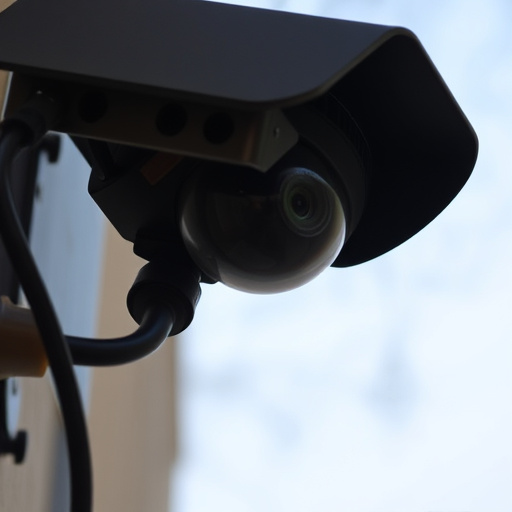
Convincing decoy cameras for business serve as powerful tools for security, blending into environments to deter threats while respecting privacy rights. Strategically placed in areas like restrooms or as everyday objects, they offer a subtle yet effective deterrent against covert recording, aiding in loss prevention and providing valuable insights without compromising aesthetics. This technology revolutionizes business surveillance, offering high-resolution images and advanced motion sensors to alert authorities of suspicious activity.
In today’s digital era, the rise of covert recording devices poses a significant challenge for businesses aiming to protect sensitive information. This comprehensive guide delves into the art of spot identification, empowering business owners with practical strategies. From understanding legal frameworks and rights to exploring advanced detection techniques beyond visible cameras, we uncover convincing decoy camera types that serve as effective visual disguises for surveillance. Learn optimal placement strategies to fortify your space against secret recording devices.
- Understanding Legal Framework: Rights and Limitations
- Decoy Camera Types: Visual Disguises for Surveillance
- Placement Strategies: Spotting Secret Recording Devices
- Advanced Detection Techniques: Beyond Visible Cameras
Understanding Legal Framework: Rights and Limitations
In the realm of covert recording, understanding the legal framework is paramount for businesses looking to implement effective surveillance strategies while adhering to privacy regulations. The use of decoy cameras, or convincing fake cameras designed to deter potential intruders, falls under a complex web of laws and guidelines that vary significantly across jurisdictions. It’s crucial to recognize that these devices can be powerful tools for enhancing security, but their deployment must be carefully considered.
Business owners must navigate the balance between protecting their assets and respecting individual privacy rights. Legal limitations often dictate factors such as placement, visibility, and intended use of surveillance equipment. For instance, recording conversations or activities in areas where individuals reasonably expect privacy (like rest rooms or changing facilities) may be strictly prohibited without explicit consent. Utilizing convincing decoy cameras strategically outside these restricted zones can help deter unauthorized access while staying within legal boundaries.
Decoy Camera Types: Visual Disguises for Surveillance
In the realm of covert recording, convincing decoy cameras for business applications have emerged as powerful tools for surveillance. These visually sophisticated devices are designed to blend seamlessly into their surroundings, making them highly effective at gathering intelligence while remaining undetected. From fake traffic lights to innocuous-looking statues, these decoy cameras employ advanced technology to mimic everyday objects, ensuring they remain out of sight and mind until activated.
The use of convincing decoy cameras offers a subtle yet potent approach to security, ideal for businesses seeking to protect their operations without compromising aesthetics. Their strategic placement can deter potential threats while providing valuable footage that aids in loss prevention, theft investigation, and general surveillance. With continuous advancements in disguise technology, these visual disguises continue to revolutionize the way businesses safeguard their assets, ensuring a safer working environment.
Placement Strategies: Spotting Secret Recording Devices
The placement of secret recording devices, or hidden cameras, is a critical aspect of ensuring effective surveillance. When it comes to identifying covert recording spots, businesses must adopt strategic thinking and stay ahead of potential threats. One powerful tool in their arsenal are convincing decoy cameras designed specifically for business environments.
These decoys serve as innocent-looking fixtures that blend seamlessly into the surroundings, from wall-mounted displays to sophisticated security lights. By strategically positioning these decoy cameras, businesses can deter actual malicious recording attempts while also gaining valuable insights into operations and customer behavior. The key is to place them in areas where they appear natural but offer optimal visibility—a delicate balance between discretion and observation.
Advanced Detection Techniques: Beyond Visible Cameras
In today’s digital age, businesses are increasingly adopting advanced detection techniques to safeguard their operations and intellectual property. Beyond traditional visible cameras, convincing decoy cameras have emerged as a powerful tool. These innovative devices blend seamlessly into the environment, often disguised as everyday objects like fire alarms, smoke detectors, or even plant pots. Their primary purpose is to monitor and deter covert recording, especially in sensitive business areas. With high-resolution images and advanced motion sensors, these decoys can detect and alert authorities of any suspicious activity, ensuring a proactive approach to security.
For businesses dealing with confidential information, product development secrets, or proprietary processes, this technology offers a robust solution. By strategically placing convincing decoy cameras at critical spots, companies can significantly reduce the risk of industrial espionage or unauthorized recording. This layered security approach serves as a powerful deterrent, encouraging ethical behavior and protecting valuable assets from potential threats.
The identification of covert recording devices has become a vital aspect of modern surveillance, especially in the business realm. By understanding the legal boundaries and employing advanced detection techniques, organizations can protect themselves from illegal recordings. Convincing decoy cameras offer an effective visual disguise, while strategic placement ensures secret recording spots are uncovered. Stay ahead of potential threats by combining these methods to create a comprehensive security strategy.